Explainers

Parents, Children, and Other Relationships in ROR Records

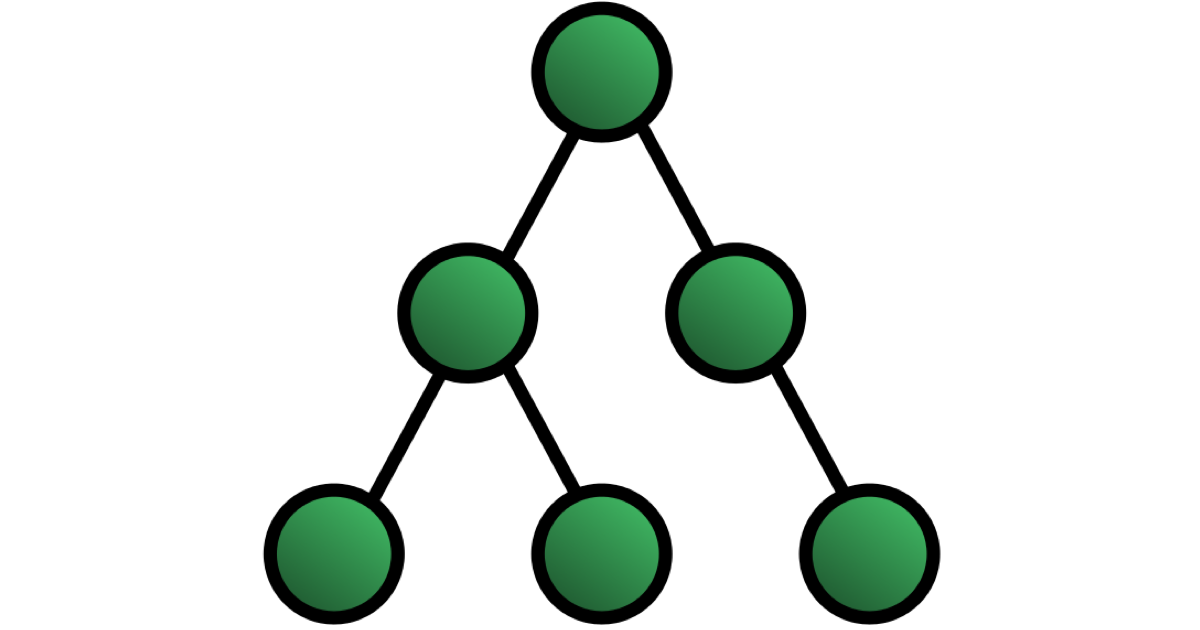
ROR supports parent-child organizational hierarchies as well as other types of relationships between organizations. This blog post explains how organizational hierarchies and relationships are expressed in ROR metadata, offers statistics on hierarchies and relationships in ROR, summarizes ROR's curation practices for hierarchies and relationships, and gives examples of real-life use cases of ROR hierarchies and relationships.

Continue reading

Explainers

What's in a Name? Handling Name Metadata in ROR

The ROR registry includes unique IDs and associated metadata records for 100,000+ research organizations. Each one of these organizations has at least one name.

Continue reading

Explainers

What Does it Mean to Be in ROR?

Some of the most frequent questions ROR receives are about what it means when an organization is in ROR, and how organizations end up in the registry in the first place.

Continue reading

Explainers

What (and Who) Is the ROR Community?

The Research Organization Registry is a cross-organizational and multi-stakeholder initiative. ROR is run by a small group of steering organizations in collaboration with a broad network of community advisors and supporters.

Continue reading

Explainers

Early Adopters of Organization Identifiers in DataCite

Version 4.3 of the DataCite Metadata Schema released during August, 2019 included (among other things), the capability to provide persistent identifiers for affiliated organizations in the metadata (Dasler and deSmaele, Identify your affiliation with Metadata Schema 4.

Continue reading