Case Studies
Using ROR for Funder Identification
Several widely used scholarly systems are using ROR IDs to identify and disambiguate funders. In this post, we’ll give you a glimpse of how and why these systems use ROR IDs for funder identifiers.
Several widely used scholarly systems are using ROR IDs to identify and disambiguate funders. In this post, we’ll give you a glimpse of how and why these systems use ROR IDs for funder identifiers.
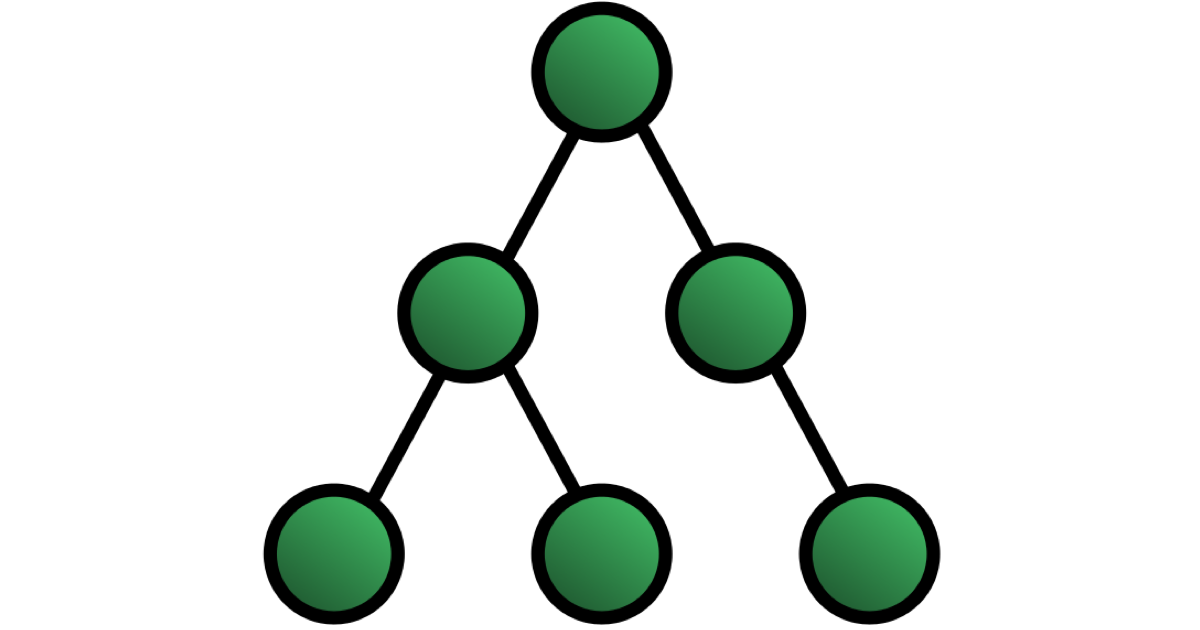
ROR supports parent-child organizational hierarchies as well as other types of relationships between organizations. This blog post explains how organizational hierarchies and relationships are expressed in ROR metadata, offers statistics on hierarchies and relationships in ROR, summarizes ROR's curation practices for hierarchies and relationships, and gives examples of real-life use cases of ROR hierarchies and relationships.

We’re more than halfway through 2020, and it has already been a year like no other. In the midst of global upheaval and uncertainty, work on the Research Organization Registry continues. Building and sustaining community and connections through open scholarly infrastructure seems more important than ever.
Version 4.3 of the DataCite Metadata Schema released during August, 2019 included (among other things), the capability to provide persistent identifiers for affiliated organizations in the metadata (Dasler and deSmaele, Identify your affiliation with Metadata Schema 4.3, 2019). This capability builds on the work and enthusiasm generated by the ROR Community that has championed the concept of open organization identifiers for several years (Gould, A Reflection on ROR’s First Year, 2019). This is a critical step towards consistent integration of organizations into the growing web of connections across the scholarly communications landscape and research communities in all disciplines.

ROR launched in January 2019 with records for nearly 100,000 research organizations, all with unique IDs and associated metadata. ROR data is useful for a variety of reasons and for a variety of users, including both humans and machines. It is essential for ROR to have robust mechanisms for searching, retrieving, and filtering.

How many datasets have been published in Dryad from researchers at the University of California? This question is surprisingly complicated. A short answer might be, we don’t know! A better answer could be, coming soon - stay tuned!

ROR is an open registry for every research organization in the world, aiming to solve the problem of identifying which organizations are affiliated with which research outputs. When the ROR MVR (minimum viable registry) launched in January, the registry included records for 91,000+ organizations, each with a unique ROR ID.